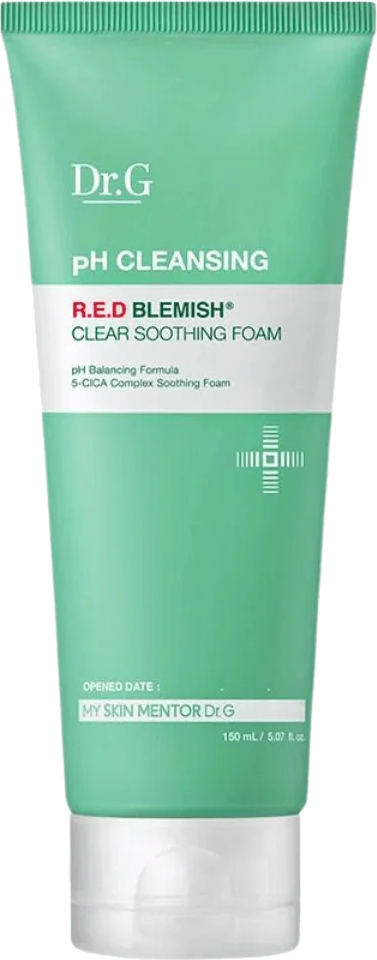
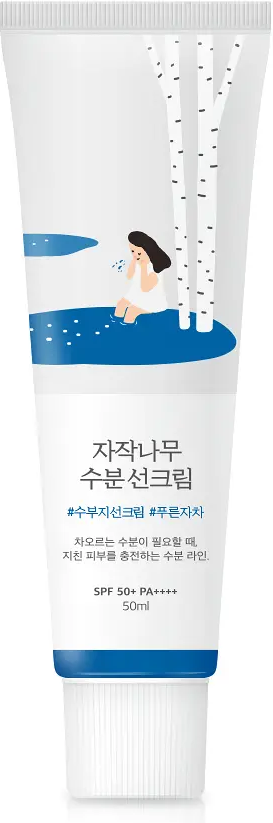
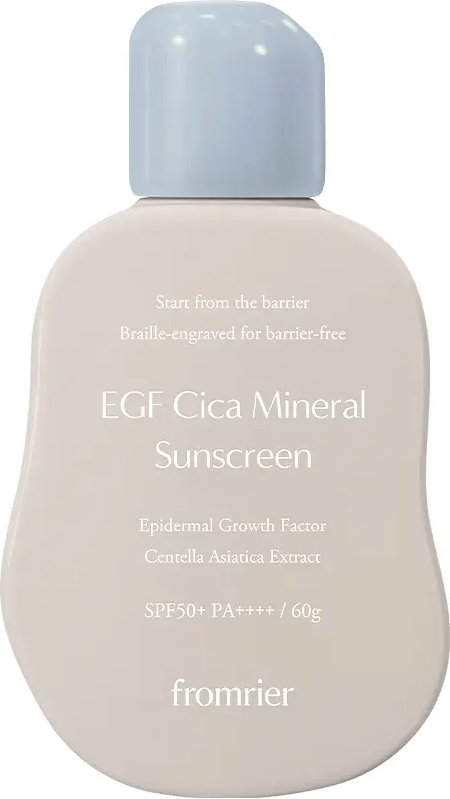
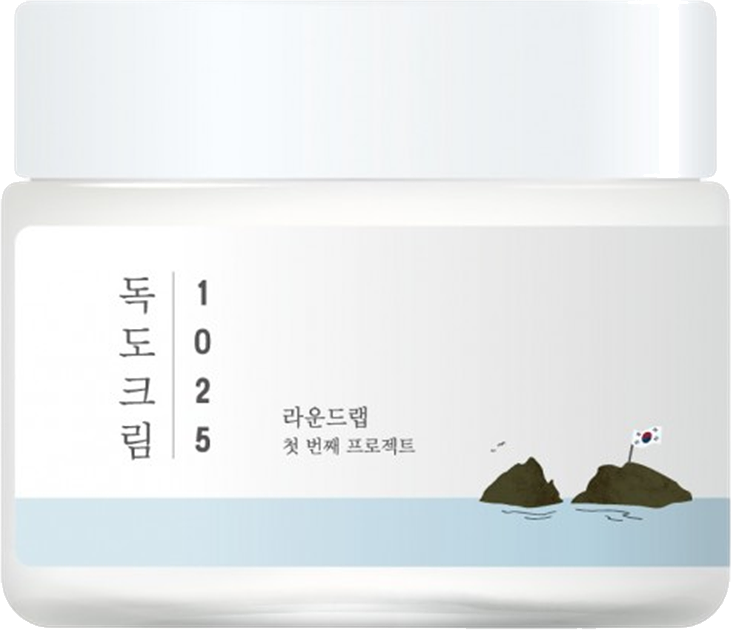
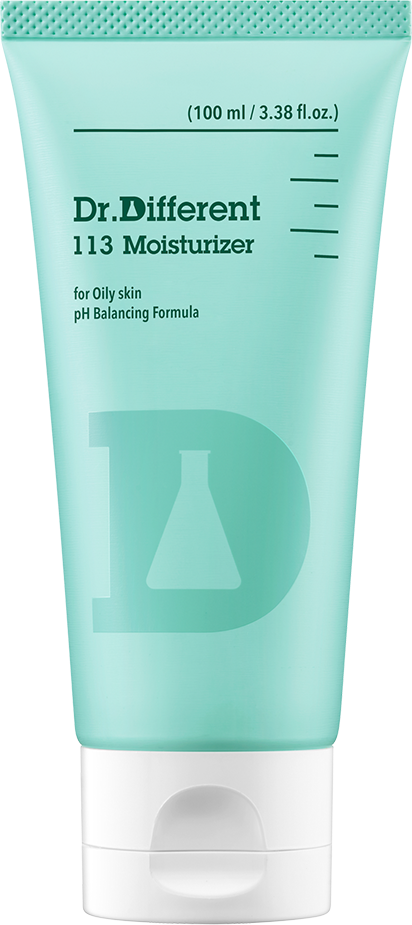
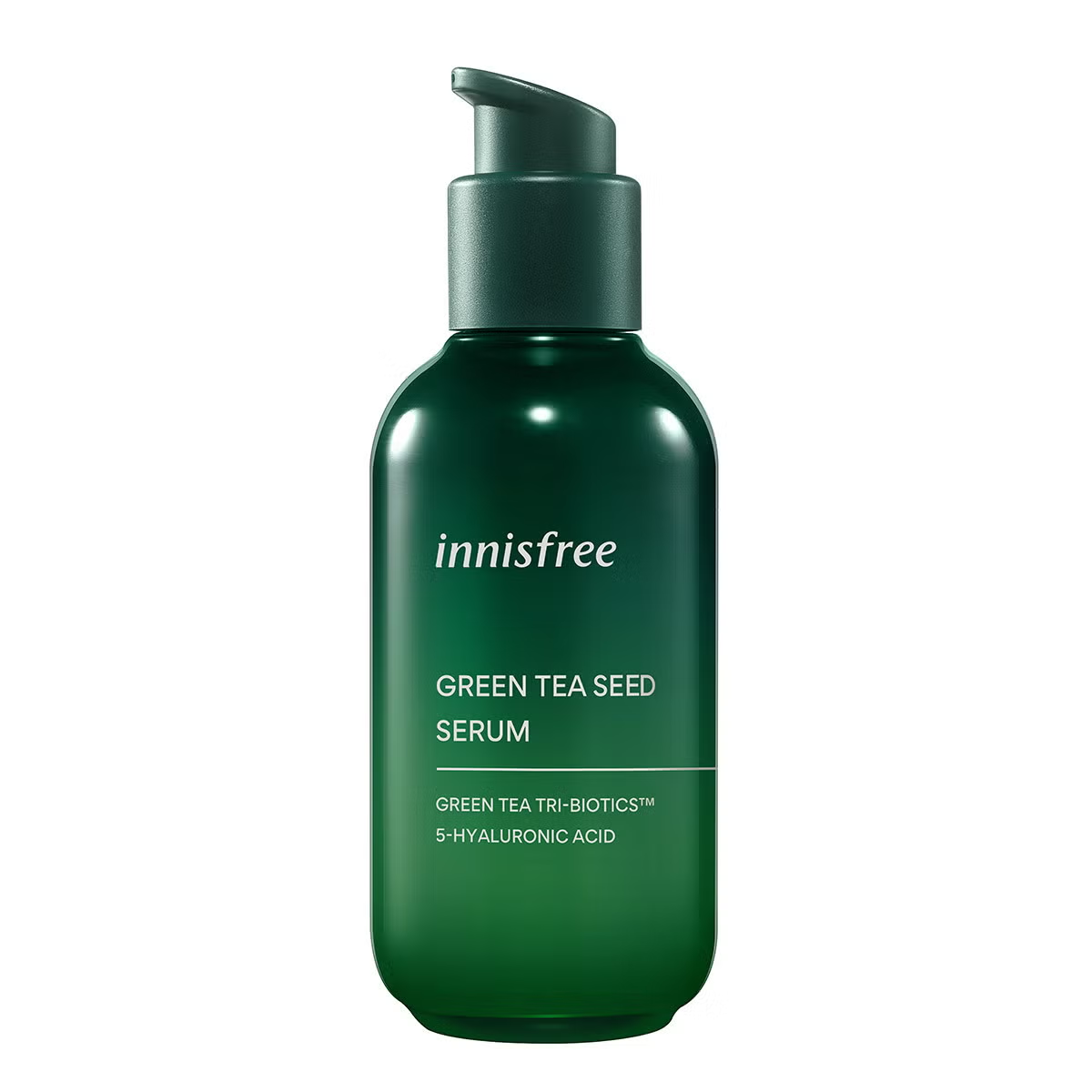
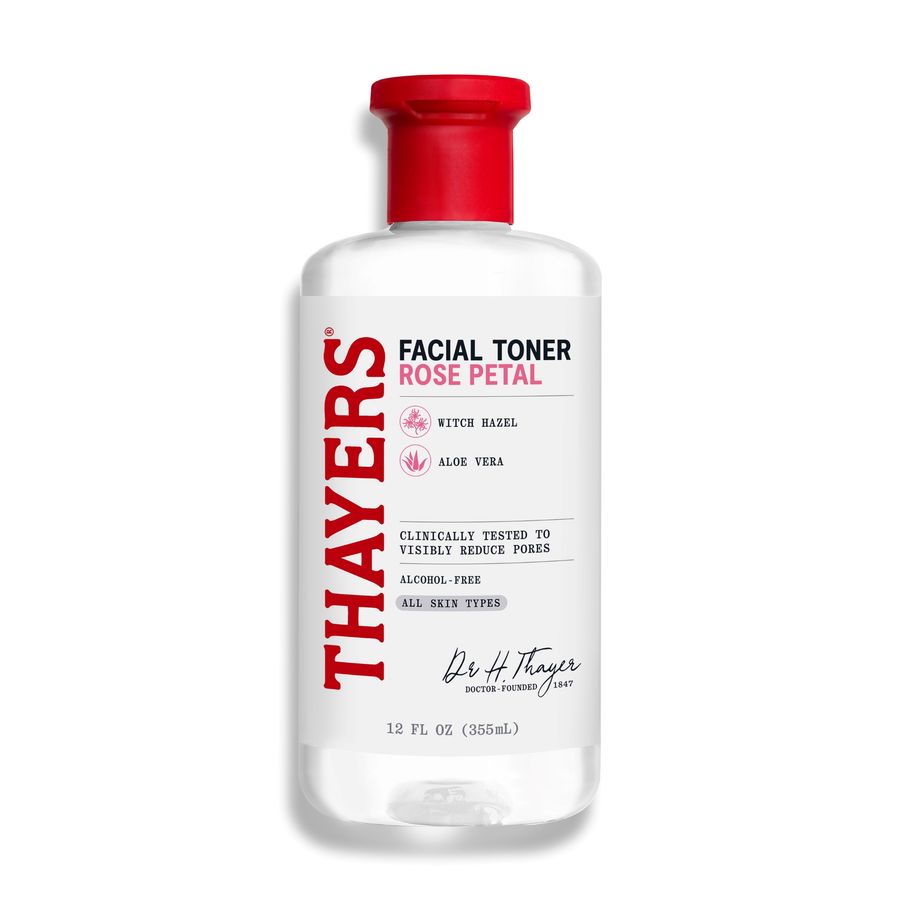
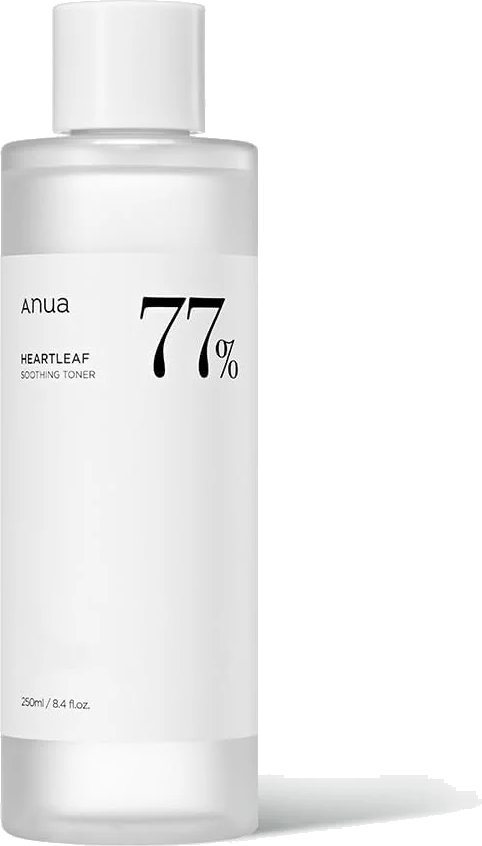
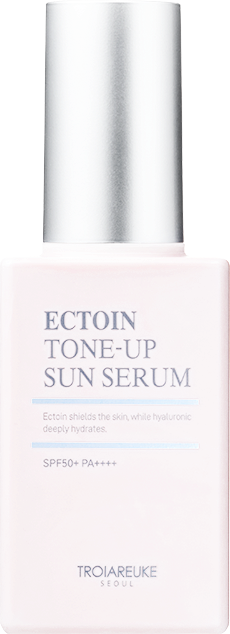
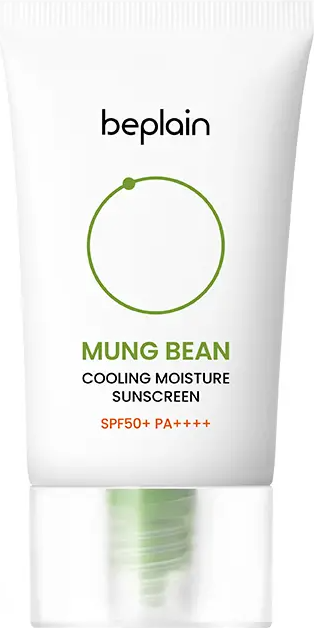
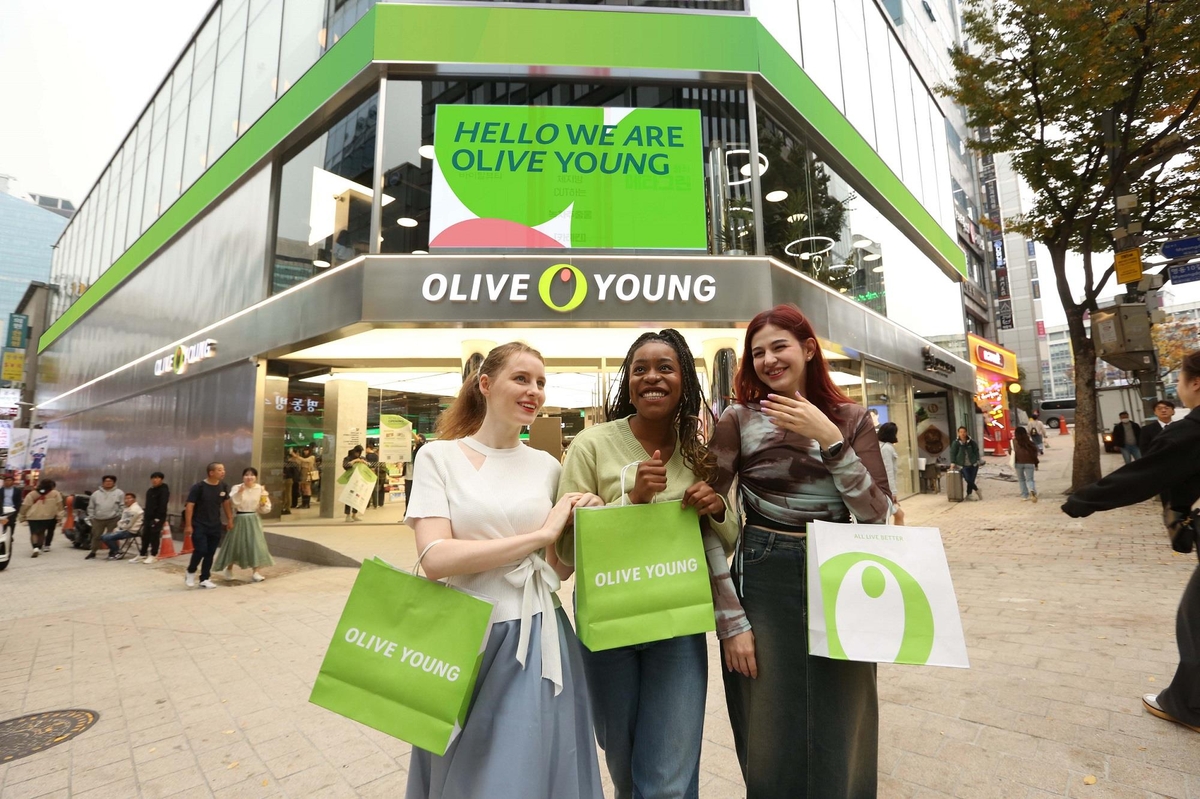
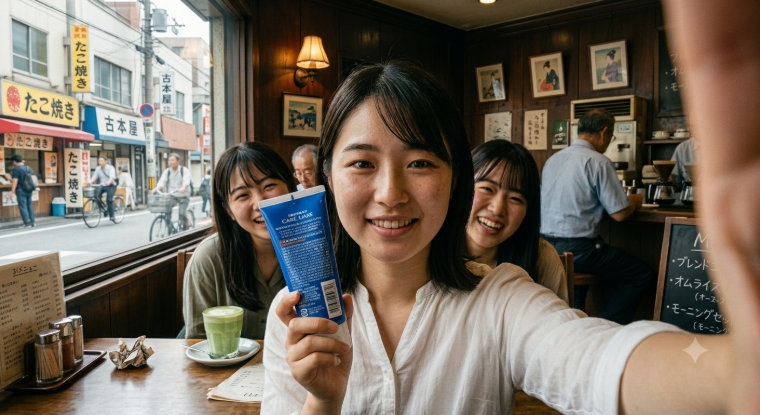
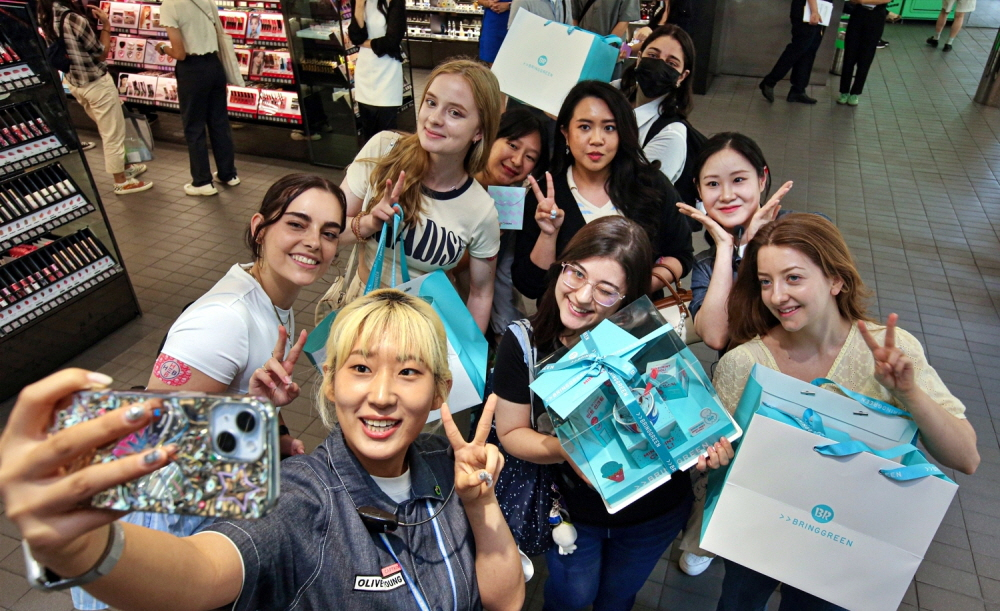
Everyone plans the Olive Young stop the same way: screenshot forty TikToks, save a "must buy" list, walk into Myeongdong, freeze. Twelve shelves of glass, every box promising glass skin, all of it in a language you're guessing at. So you buy three things and hope.
Then one of them burns your cheeks for a month and you never find out which one. The other two end up under the sink — carried home in a suitcase you paid to check.
Discovery is solved. Fit isn't. So we stopped building a review app and built a reading app: Kotiful holds no opinion about what's viral, only about what's viral and right for you. Bestsellers are a restocking list for people who live here. Yours should be shorter.
Popular, cheap, local and right for you are four different things.
A ranking tells you what sells. A haul tells you what someone else bought. Neither knows your skin type, your climate, or the two ingredients that break you out. The label does — if something reads it for you.
Not the tiny ingredient list on the back — the front, where the brand is. No barcode hunting, no typing a name you can't spell.
Every declared line against the regulator's own data — what it does, at what limit, and which of the 25 allergens hide inside "fragrance".
Not an average of strangers. A 1–100 for your type and concerns, every point explained — plus the three on that shelf that beat it.
Scored for one real profile — combination, sensitive, avoiding fragrance allergens. Change the face and every number moves. That's not a bug, that's the product.
Save → shortlist → scan → compare → buy what makes sense for you. Kotiful belongs in the Korea travel folder, right next to the flight confirmation and the restaurant list.
Korea's Ministry of Food and Drug Safety decides what may go in a cosmetic, at what concentration, and which 25 fragrance allergens must be named on the box. That's the data we read — the regulator's, from the country the product was made in. We read the declared label; we don't certify anything, and nobody certifies us.
No fearmongering, no "toxin-free" theatre, no fake certainty. Silicones are fine if they're fine on you, and we'll say so.
"Eight months of redness I blamed on stress. It was limonene in a toner I loved. Six weeks after I stopped, my cheeks are just… my cheeks."
"I can't read Korean. I scanned a whole Olive Young aisle in ten minutes and walked out with three things instead of eleven. My suitcase said thank you."
"The 'three that beat it' thing is genuinely evil. Went in for the viral essence, left with the one that scored 94 on me. Ten dollars cheaper too."
That's the strongest way to use it. Scan the products you keep seeing online, shortlist what fits your profile, then scan again at the shelf to confirm. Research first, haul second.
No. Kotiful is built to read Korean beauty packaging so you don't have to type a product name you can't spell.
No. Point at the front of the box, where the brand is. That's the entire interaction — no barcode hunting, no leaving the aisle to Google.
Olive Young is the core Korea use case, but the catalog is K-beauty. Scan wherever you meet a supported product — a K-aisle abroad, or a parcel that just landed.
Yes. Your profile and your scanned products stay useful at home. Korea is where the shelf gets exciting; it isn't where Kotiful stops being useful.
The opposite. No ingredient is evil here. We read what's declared and tell you how it relates to your profile — silicones and all.
No — a label match, not a diagnosis. Product and ingredient reference information only. If your skin needs a doctor, see one.
Five scans first. Sign in when you want the profile to stick — not before.
Five scans free, then the plan you pick in the app. Prices are set in the App Store and Google Play so you always see your own currency and the live terms.
The sunscreen you saved three times. The serum your friend swears by. The toner you can't read. Point your camera at it — five scans free, no account required to start.